
Exploring the Unseen: The Marvels of Modern Science
22 May 2026

SHARE:
Quantum mechanics, an enigma to many, delves into the universe's most fundamental aspects. This field of study reveals behaviors of matter and energy at their smallest scales, where traditional physics often falters. Recent breakthroughs have paved the way for advancements in quantum computing, promising unprecedented computational power far superior to today's fastest supercomputers. As scientists pierce through this veil of the unknown, they unlock potentials that could redefine technology, medicine, and communication.
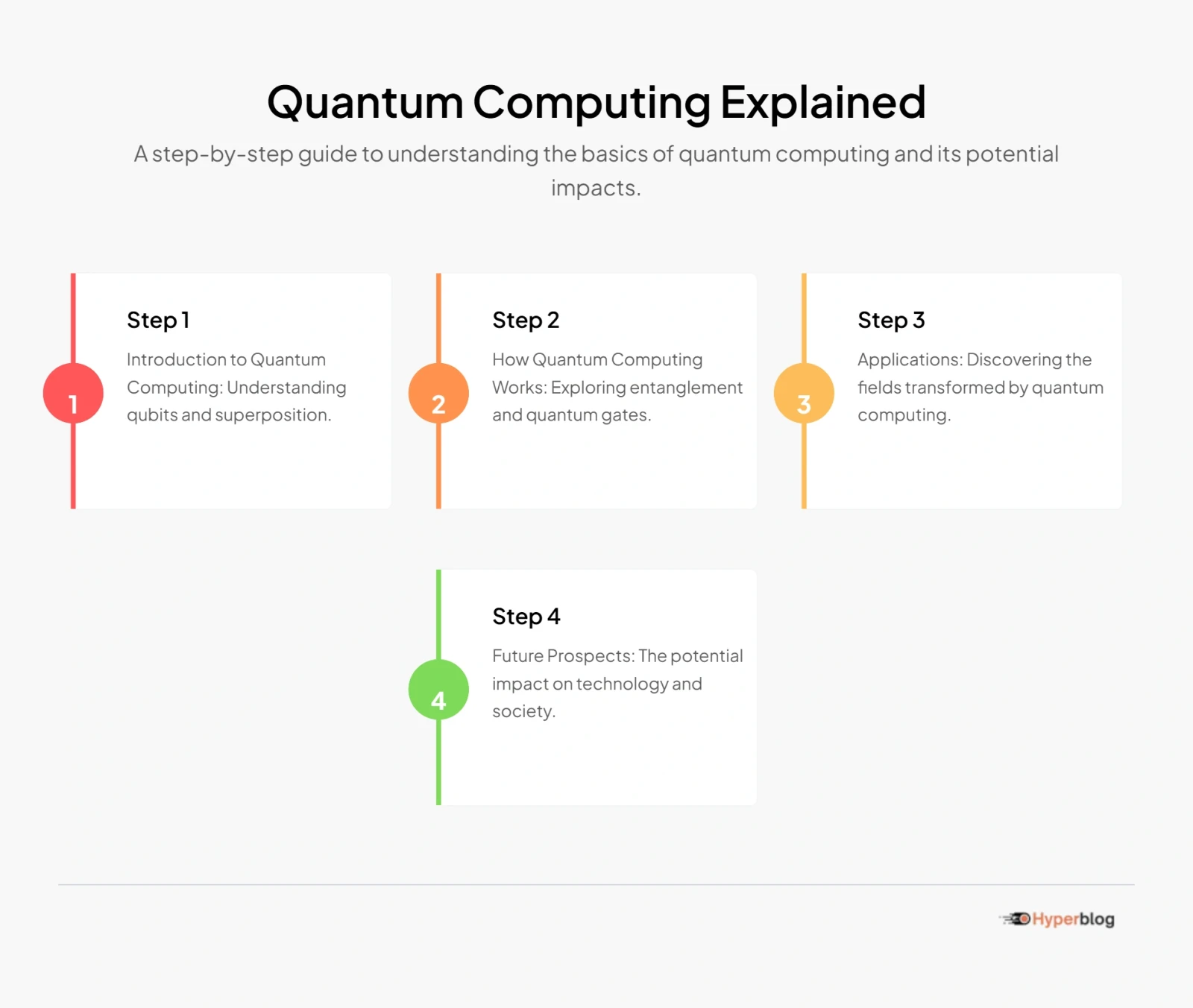
Quantum computing leverages the principles of superposition and entanglement, allowing it to process information in ways classical computers cannot. By manipulating qubits, these powerful machines perform complex calculations exponentially faster. Scientists and engineers anticipate that quantum computers will revolutionize fields such as cryptography, material science, and drug discovery, solving problems previously deemed insurmountable.
Biotechnology is another phenomenal area where science demonstrates its capability to change the course of life. From genetic engineering to synthetic biology, experts are crafting innovative solutions to some of the world's most pressing challenges. Techniques like CRISPR gene editing offer precise tools to alter DNA sequences, potentially eradicating hereditary diseases and enhancing food crop resilience. This burgeoning field balances potential benefits with ethical considerations that require thoughtful discourse.

Get exclusive insights into the latest scientific breakthroughs with our comprehensive e-book.
Which scientific breakthrough do you find most fascinating?
Quantum computing uses quantum-mechanical phenomena such as superposition and entanglement to perform computation.
Biotechnology enhances crop resilience and food security through genetic modifications.
Qubits are the basic units of information in quantum computing, capable of representing and storing more complex data than classical bits.
CRISPR is a gene-editing tool that allows precise alterations to DNA, potentially eliminating genetic disorders.
Astrophysics drives technological advancements that often have practical applications on Earth, like improved imaging systems.
At the forefront of biotechnology is genetic engineering, a fascinating endeavor that allows scientists to directly manipulate genetic material. This innovation aids in developing treatments for genetic disorders, generating genetically modified organisms (GMOs) that bolster food security, and even creating tissues for regenerative medicine. The careful application of these technologies holds promise for not only improving health outcomes but also addressing global food shortages.
Astrophysics continuously expands our understanding of the universe, unraveling celestial phenomena that captivate and challenge the scientific community. Advanced telescopes and satellites enable astronomers to study black holes, dark matter, and exoplanets with unparalleled detail. These cosmic explorations not only satisfy humanity's innate curiosity but also inspire technological developments that often trickle down to benefit earthly applications. As we venture deeper into the cosmos, we find answers to age-old questions about the universe's origin and our place within it.